Synergy Spray System new logo

STOCKPILE DUST CONTROL SYSTEM

STOCKPILE DUST CONTROL SYSTEM
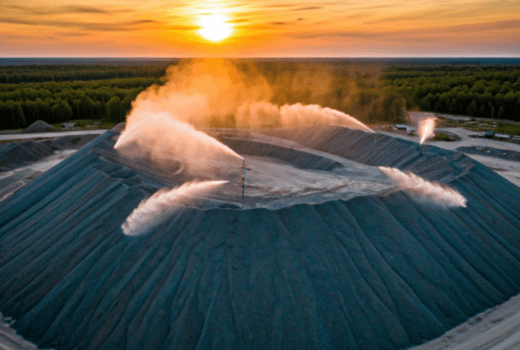
stockpile dust control system is designed to manage and suppress dust  generated from bulk material stockpiles in industries such as mining, cement, coal, and aggregate processing.

 At Synergy Spray Systems, we design practical and reliable solutions using misting, fogging, and sprinkler-based systems to control dust at its source. Our systems improve air quality, support compliance, and make industrial stockyards safer and cleaner.

Benefits of Stockpile Dust Control Systems

Improves Air Quality

Reduces airborne dust particles for a safer working environment.

 Environmental Compliance

Meets regulatory standards for dust emissions.

Protects Equipment:

Prevents dust from settling on machinery, reducing wear and maintenance.

Cost-Effective

Reduces water usage and operational downtime.

Enhances Safety

Minimizes visibility hazards caused by dust clouds.

Applications

Coal Stockyards
Fertilizer and Grain Handling Facilities
Industrial Bulk Material Processing
Cement and Aggregate Storage
Mining and Quarrying
•	Industrial Bulk Material Processing

Types of Dust Control System for Stockpiles

Stockpile dust control systems are classified based on their mechanism for dust suppression and the specific requirements of the stockpile environment. Below are the primary types:

1. Water-Based Dust Control Systems

These systems use water to settle dust particles effectively.

Misting Systems:

  • Emit fine water droplets to bind with dust particles and settle them.
  • Ideal for suppressing airborne dust without saturating the material.

Spray Systems:

  • Use high-pressure water nozzles to spray over the stockpile surface.
  • Suitable for controlling dust on large, open stockpiles.

Water Cannons:

  • Large-scale, high-pressure devices capable of covering wide areas.
  • Often used in mining and large stockyards.

2. Chemical-Based Dust Control Systems

Utilize binding agents or stabilizers to control dust.

Dust Suppressant Chemicals:

  • Applied as a spray to bind dust particles together, reducing their ability to become airborne.
  • Common agents include polymers, resins, or lignosulfonates.

Surface Sealing Agents:

  • Form a crust or film on the stockpile surface to prevent dust generation.
  • Effective for long-term dust control on inactive stockpiles.

3. Fogging Systems

• Use ultra-fine water droplets (micro-mist) to form a fog that captures and settles airborne dust.
• Effective in windy conditions and for fine dust particles.
• Low water consumption compared to traditional spray systems.

4. Mechanical Systems

Utilize physical barriers or equipment to minimize dust emissions.

Wind Barriers:

   Walls or fences installed around the stockpile to reduce wind velocity and contain dust.

Covers or Tarpaulins:

   Stockpiles are covered with industrial-grade materials to prevent dust escape.

5. Hybrid Dust Control Systems

• Combine water and chemical suppression for enhanced dust control.
• May integrate automated fogging systems with chemical sprays for efficient operation.

6. Dust Suppression Trucks

• Mobile units equipped with spray systems.
• Used for on-demand dust suppression on stockpiles and surrounding areas.

7. Advanced Automation and Monitoring Systems

Incorporate sensors and programmable controls for efficient dust suppression.
Smart Foggers:
  Activate based on dust particle detection or wind conditions.
Remote-Controlled Systems:
  Allow operators to control spray coverage and intensity from a distance.

Key Features of Stockpile Dust Control Systems

Supports dust control in stockpiles with minimal water usage
Adjustable mist and fog nozzles
Effective dust suppression for mining, coal piles, and raw material stockyards
Automated or manual operation options
Durable design suitable for harsh industrial environments
Wide-area coverage for large stockpiles


Why Choose Synergy Spray Systems form stockpile dust management?

Experience in stockpile dust suppression

Years of expertise designing systems for mining, coal plants, and industrial stockyards.

Customized solutions

Each dust problem is different, so we design systems based on your stockpile size, material, and environment.

Reliable and low-maintenance

Our mist and fog systems are designed to run continuously with minimal servicing.

Energy and water efficient

Engineered to use less water while still achieving strong dust control.

End-to-end support

We handle design, manufacturing, installation, and after-sales support.

FAQs About High-Pressure Fogging Systems

Do stockpile dust suppression systems work during windy conditions?

Yes. Fogging and mist systems designed for stockpiles use ultra-fine droplets that bond with dust particles even when wind speeds are high. In extremely windy conditions, systems with wind sensors will adjust spray patterns automatically for better effectiveness.

How often should dust control be applied on coal stockpiles?

It depends on how active the coal yard is. Active piles may require continuous misting, while inactive piles may only need periodic fogging or surface sealing. Coal is a fine material, so consistent dust control prevents dust lift during vehicle movement or wind.

Can dust suppression chemicals be used on all stockpiles?

Not always. Some materials — like food grains or fertilizers — may not be compatible with chemical agents. In those cases, water-based misting or fogging is the preferred dust control method. For minerals and coal, binding chemicals are often safe and long-lasting.

What is the difference between misting and fogging for stockpile dust control?

Misting uses slightly larger droplets for general dust suppression, while fogging uses ultra-fine droplets to capture very small dust particles. Fogging is more effective for fine dust like coal, cement, or mineral powders.

Do stockpile dust control systems help reduce water usage?

Yes. Modern systems are engineered to use micro-droplet technology, which suppresses dust more effectively with minimal water. Compared to manual hosing or sprinklers, water usage can drop by 40–70%.

How long does it take to install a stockpile dust control system?

Installation time varies by system size, but most water-based systems can be installed within 1–3 days. Larger fogging networks or automated systems may take 1–2 weeks depending on site layout.

Can the system be automated for hands-free operation?

Absolutely. Many users choose automated systems that start based on dust sensors, wind direction, or scheduled programs. Automation improves dust control while reducing labor.

What is the best dust control option for mining stockpiles?

For mining operations, a combination of fogging + targeted misting works best. Mining dust is fine and often airborne, so fog systems are ideal for capturing particles before they spread.

Can stockpile dust suppression integrate with existing water lines?

In most cases, yes. Misting or fogging systems can be connected to existing water supply lines, reducing installation complexity and cost.

For Spray Nozzles: +91 94442 75778
For Spraying Systems and
Dust suppression system: +91 86100 00128
© 2023 All Rights Reserved | Synergy Spray Systems | Powered by Ingenium Digital
pushpin