FAQs - High Pressure Dust Suppression System
How does a High pressure mist dust suppression systems work?
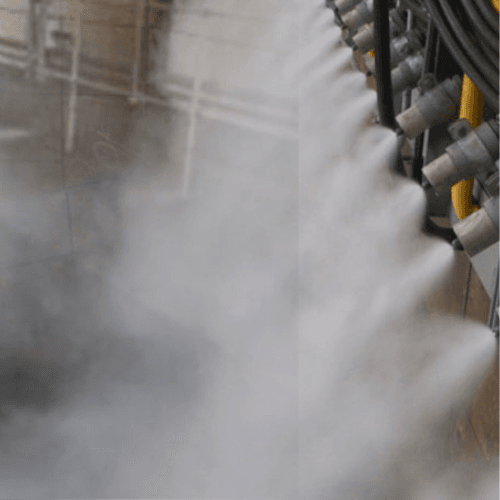
A High pressure mist dust suppression systems atomizes water into fine droplets that interact with airborne dust and help it settle faster, reducing dust clouds around the source.
Where is an Industrial high pressure dust suppression system used?
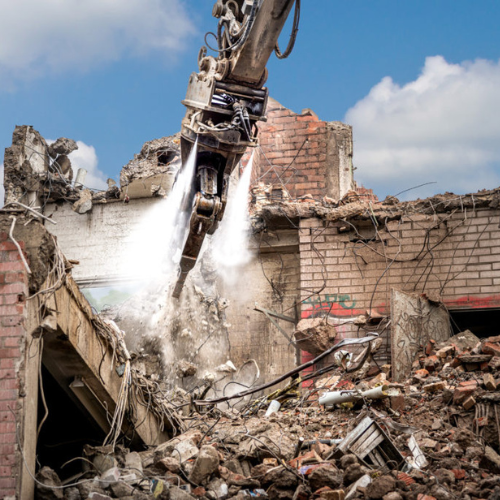
It is used in mining, quarries, cement plants, coal handling, steel plants, ports, construction and demolition sites, and bulk material handling areas.
Is an Industrial dust suppression system high pressure better than sprinklers?
In many applications, it can be more effective because it focuses on misting rather than soaking, helping reduce over-wetting while improving dust knockdown when designed correctly.
Does a High pressure dust control system reduce water usage?
It can reduce water usage compared to hose/sprinkler methods because it delivers controlled misting. Actual savings depend on site conditions, layout, and operating hours.
What pressure range is typical for an Industrial high pressure dust suppression system?
Pressure varies by application and nozzle type. Many systems operate in a broad high-pressure range selected to achieve the required droplet size and coverage.
Can a High pressure mist dust suppression systems be installed on conveyors?
Yes, it is commonly installed at conveyors, transfer points, chutes, hoppers, and crusher inlets/outlets where dust is generated during material movement.
Will a High pressure mist dust suppression system cause over-wetting?
Over-wetting can be minimized using correct nozzle selection, zoning, intermittent control, and proper flow tuning based on the material and process.
What maintenance is needed for an Industrial dust suppression system high pressure?
Regular maintenance includes filter cleaning, nozzle inspection for clogging, line flushing when required, checking pump seals, and verifying pressure stability.
What water quality is required for a High pressure dust control system?
Filtered water is recommended to prevent nozzle clogging and reduce downtime. Many sites add filtration before the pump and nozzle network.