Synergy Spray System new logo

Dust Suppression in Mobile Crushers

Protecting Workers, Enhancing Equipment Life, and Achieving Compliance

Mobile crushers are indispensable in industries like mining, quarrying, demolition, and recycling. However, they generate substantial dust during crushing, screening, and material handling. Left uncontrolled, this dust poses serious health risks, accelerates equipment wear, reduces visibility, and may lead to non-compliance with air quality regulations.

At Synergy Spray Systems, we specialize in custom-designed dust suppression solutions for mobile crushers. Our systems are engineered to control dust at the source—creating safer, cleaner, and more efficient worksites.

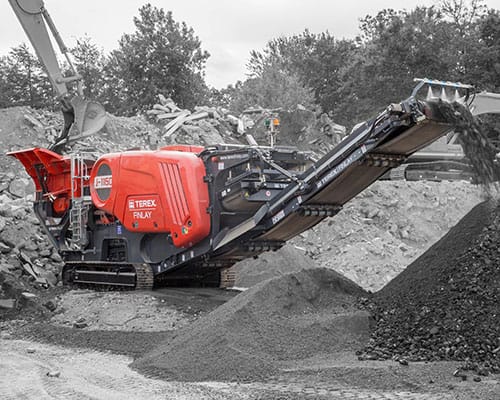
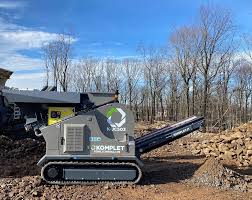
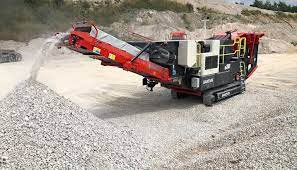
Mobile Crusher

Key Dust Generation Points in Mobile Crushing Operations

1 .Primary crusher inlet and outlet
2. Secondary or tertiary crusher discharge points
3 .Screening decks and conveyors
4 .Transfer points between crushers and screens
5 .Stockpiling conveyors

Applications of Mobile Crushing Dust Control

   • Quarrying and mining sites
   • Construction and demolition recycling yards
   • Aggregate production plants
   • Road and infrastructure projects
Applications for Dust Suppression in Mobile Crushers
Benefits of Installing Dust Suppression on Mobile Crushers

Benefits of Installing Dust Suppression on Mobile Crushers

   • Improved operator health and site safety
   • Extended crusher and screen equipment life
   • Compliance with environmental air quality regulations
   • Enhanced visibility during operations
   • Reduced maintenance costs and downtime

Dust Suppression Technologies for Mobile Crushers

High-Pressure Misting Systems

  • Fine atomized mist (10–20 microns) targets dust particles.
  • Installed around crusher jaws, conveyor belts, and screens.
  • Minimal water usage without soaking materials.

Dry Fog Dust Suppression Systems

  • Fog created with compressed air and water
  • Dust particles agglomerate and settle without wetting product
  • Ideal for crushers where moisture-sensitive materials are handled

Spray Nozzle Systems

  • Low-pressure or medium-pressure nozzles at key points
  • Adjustable flow rates based on dust generation intensity
  • Easy retrofit into mobile plants

Integrated Water Spray Bars

  • Mounted directly at hopper feeders, crusher jaws, and transfer points
  • Controlled manually or automatically with solenoid valves

Features of a Dust Suppression System on Mobile Crushing Plants

✅ Easy retrofitting on new or existing mobile crushers
✅ Low water consumption; no impact on material quality
✅ Quick activation/deactivation through operator control
✅Rugged construction to withstand vibration and harsh conditions
✅Compact design suited for mobile crushing units


GET IN TOUCH..!

Call us today for expert consultation!

Contact Us

Why Choose Synergy Spray Systems for Dust Suppression on Mobile Crushing Plants?

We design spray zones around crusher feed/discharge, screens, conveyors, and transfer points—so dust is controlled where it starts.

High-pressure misting, dry fog, or spray bars—chosen based on fines load, wind exposure, throughput, and moisture sensitivity.

Proper droplet size, nozzle targeting, and zoned control reduce over-wetting while maintaining effective dust knockdown.

Layouts and components built to handle vibration, harsh site conditions, and quick installation on many existing mobile crushers.

We fine-tune pressure/flow, nozzle angles, and on/off logic to achieve stable performance with lower maintenance and downtime.

FAQs on Dust Suppression in Mobile Crushing Plants

What is dust suppression on mobile crushing and how does it work?

Dust suppression on mobile crushing reduces airborne dust by applying fine water mist, dry fog, or targeted spray at dust generation points like crusher discharge, screens, and conveyors. The droplets collide with dust particles, making them heavier so they settle faster—improving visibility and reducing fugitive emissions.

Where should a dust suppression system on mobile crushing plants be installed?

A dust suppression system on mobile crushing plants is typically installed at the primary crusher inlet/discharge, secondary discharge, screening decks, conveyor load zones, and transfer points. Correct nozzle placement and shielding are critical—especially around high-velocity discharge and windy areas.

Does a mobile crushers dust suppression system increase product moisture?

It can, if the system is over-spraying or poorly positioned. A properly tuned mobile crushers dust suppression system uses the right droplet size, flow rate, and zoning to reduce dust with minimal wetting. Dry fog is often preferred when moisture limits are strict.

What is the difference between high-pressure misting and dry fog for mobile crushing dust control?

High-pressure misting uses water at higher pressure to create finer droplets and is effective in many open areas. Dry fog uses compressed air + water to create ultra-fine fog that binds dust with very low water addition. For mobile crushing dust control, dry fog is often selected for moisture-sensitive materials and enclosed transfer zones.

How much water is needed for dust suppression on mobile crushing?

Water usage depends on material type, dust load, wind, throughput, and the number of spray zones. Well-designed systems aim for controlled, zoned spraying rather than continuous flooding. In practice, commissioning and tuning are what determine “how low” you can go while still controlling dust effectively.

Can we retrofit a dust suppression system on mobile crushing plants to an existing crusher?

Yes—most mobile units can be retrofitted using bolt-on brackets, spray bars, flexible hoses, and compact pumping/filtration skids (space permitting). The key is planning routing and access for service so the dust suppression system on mobile crushing plants remains maintainable.

What pressure is required for a mobile crushers dust suppression system?

It depends on the chosen method: low/medium pressure spray bars, high-pressure misting, or dry fog (air + water). The best approach is selected based on dust behavior and site conditions. Pressure alone isn’t the goal—droplet size, targeting, and zoning drive performance.

Which nozzles are best for mobile crushing dust control?

Nozzle selection depends on where you’re spraying (crusher jaw area vs. belt vs. screen), required coverage angle, droplet size, and clogging risk. For mobile crushing dust control, robust nozzles with proper filtration are essential to prevent downtime from blockages.

How do you control spray automatically in dust suppression on mobile crushing?

Common options include manual switches, timer-based intermittent spray, solenoid-zoned spraying, and sensor/PLC logic based on conveyor running status or dust-prone points. Automation helps reduce water use by spraying only when the crusher and conveyors are actually operating.

What maintenance is needed for a dust suppression system on mobile crushing plants?

Typical maintenance includes cleaning/inspecting strainers and filters, checking nozzle clogging, verifying pressure/flow, and inspecting hose routing and mounts for vibration wear. A simple weekly checklist and recommended spares (nozzles, filter elements, solenoids) prevent most stoppages.

For Spray Nozzles: +91 94442 75778
For Spraying Systems and
Dust suppression system: +91 86100 00128
© 2026 All Rights Reserved | Synergy Spray Systems | Powered by EKA HR Consulting Private Limted