FAQs About High-Pressure Fogging Systems
What factors affect ultrasonic spray nozzle price?
Price depends on frequency, droplet size requirement, material (titanium or stainless steel), spray width, and whether you need a standalone ultrasonic atomizer nozzle or a complete controller + power module.
Can ultrasonic nozzles handle viscous liquids?
Yes, ultrasonic nozzles can spray moderately viscous liquids like syrup, oils, glue, and coatings, but droplet size may change based on fluid thickness.
What is the difference between an ultrasonic nozzle and a normal spray nozzle?
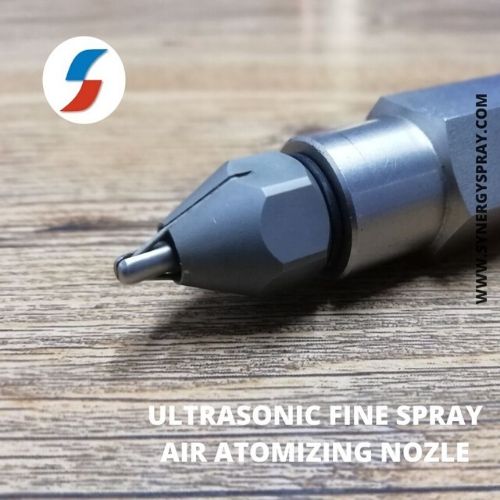
A normal spray nozzle relies on pressure to atomize liquids, while an ultrasonic nozzle uses sound-wave vibration. This gives ultrasonic nozzles better droplet control, lower flow rates, reduced overspray, and much finer droplet sizes.
What droplet size does an ultrasonic atomizing nozzle produce?
Depending on frequency, an ultrasonic atomizing nozzle typically produces droplets from 5 to 50 microns, making it suitable for delicate and controlled coating applications.
Where are ultrasonic fogging nozzles used?
Ultrasonic fogging nozzles are used in humidification systems, cleanrooms, plant nurseries, electronics cooling, food storage rooms, and odor-control systems that require ultra-fine fog.
Are ultrasonic spray nozzles energy efficient?
Yes. Ultrasonic nozzles operate with low power consumption and do not require compressed air, making them significantly more energy-efficient than traditional atomizing nozzles.
Does water quality affect ultrasonic spray performance?
Yes, ultrasonic nozzles work best with filtered or low-mineral water to avoid mineral buildup on the vibrating surface and maintain consistent droplet size.
Do ultrasonic nozzles require compressed air?
No. Most ultrasonic spray nozzles can atomize liquid without compressed air, though some air-assist hybrid models exist for directional control.
Do ultrasonic nozzles clog easily?
Clogging is minimal because ultrasonic systems operate at low flow rates, but using filtered/liquid with minimal particulates is recommended to extend lifespan.