Synergy Spray System new logo

Dust Suppression System for Stacker and Reclaimer

tacker and reclaimer machines are essential in coal handling plants, power plants, steel plants, cement plants, and bulk material yards, but they are also major sources of fugitive dust.
Dust suppression systems designed for stackers and reclaimers prevent airborne dust emissions during stacking and reclaiming operations, improving worker safety, environmental compliance, and equipment life.

How Our Dust Suppression System Works

Our system uses high-pressure fogging technology and automated dust control mechanisms to capture dust at the source
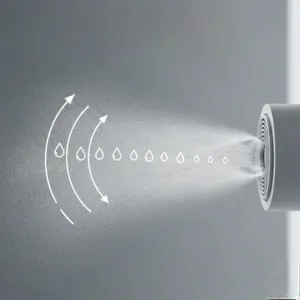
Fine Mist Technology

Fine Mist Technology

Special fog nozzles atomize water into droplets (10–50 microns) that bind to dust particles and force them to settle.
Strategic Nozzle Placement

Strategic Nozzle Placement

Installed at boom ends, discharge chutes, and transfer points where dust generation is highest.
Automated Control

Automated Control

Equipped with PLC integration, wind sensors, and humidity detectors for optimized water usage.
Water Conservation

Water Conservation

Uses 30–50% less water than traditional sprinkler systems, reducing runoff and conserving resources.

System Design and Components

Pump Options – Low/medium-pressure misting: 50–150 PSI (3.4–10.3 bar) or high-pressure fogging: 500–1500 PSI (35–100 bar); system flow: 20–200 LPM (application dependent).
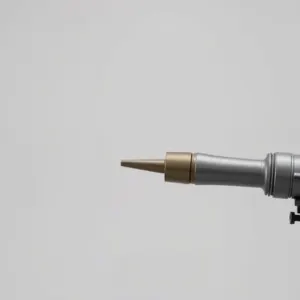
Stainless Steel or Polymer Fog Nozzles – Anti-clog design for consistent misting.
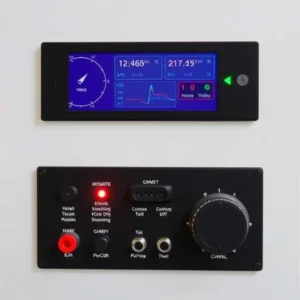
Control Panels with PLC/SCADA – For automation and remote monitoring.
Pipelines & Valves – Corrosion-resistant materials for long life.

Optional Features:

  • IoT-enabled monitoring
  • Variable Frequency Drives (VFD) for pump speed control
  • Integration with stacker/reclaimer automation

Benefits of Our Stacker & Reclaimer Dust Suppression System

Up to 90% Dust Reduction – Ensures cleaner and safer work environment.
Compliance with Environmental Norms – Designed to support compliance with CPCB guidelines and site environmental clearance / SPCB consent conditions (as applicable).
Extended Equipment Life – Reduces dust-related wear and tear.
Energy & Water Efficient – Atomized mist reduces water consumption and prevents slurrying.
Low Maintenance – Simple design for easy servicing and minimal downtime.

Applications of Dust Suppression Systems

Coal Handling Plants (CHP) – Power plants, steel plants.
Ports & Terminals – Bulk cargo handling and stacking yards.
Cement & Clinker Storage – Minimizing silica dust exposure.
Mining Stockyards – Iron ore, limestone, bauxite, gypsum.

Technical Features & Specifications

Droplet Size: 10–50 microns for effective dust binding.
Throw Distance: Adjustable from 5m to 50m for boom coverage.
Material Compatibility: Coal, clinker, iron ore, limestone, gypsum.
Power Options: Electric or hydraulic systems.
Twin-Fluid Atomization (Dry Fog Option): low-pressure water + compressed air at nozzle

Installation Best Practices

At the stacker boom discharge point
On reclaimer bucket wheel housing
On transfer chutes and conveyors
Water Filtration: Use filtered water to prevent nozzle clogging.
Regular Inspection: Daily nozzle checks and monthly pump maintenance

How to Choose Dust Suppression at Stacker & Reclaimer

Identify the Main Dust Sources

For effective Dust Suppression at Stacker & Reclaimer, start by mapping where dust is generated:

  • Stacker boom discharge zone
  • Reclaimer bucket wheel / cutting zone
  • Transfer chutes, skirt boards, and conveyor feed points
  • Stockyard wind-lift zones (open piles)

Select the Right Technology for Your Site

The best Dust Suppression for Stacker Reclaimer depends on moisture tolerance and dust intensity:

  • Low/medium-pressure misting: good for enclosed chutes and transfer points
  • High-pressure fogging: finer droplets for better capture with lower wetting
  • Dry fog (twin-fluid): for moisture-sensitive operations

Choose Droplet Size Based on Dust Type

  • Coal fines and very dry materials may need finer fog
  • Clinker, limestone, and heavier dust can work well with optimized misting
    Correct droplet selection improves capture efficiency and reduces water use.

Ensure Proper Filtration and Water Quality

Reliable Dust Control in Stacker systems need clean water:

  • Use multi-stage filtration for fog nozzles
  • Add flushing routines to prevent clogging and maintain spray quality

Plan Coverage and Nozzle Placement Carefully

Nozzle placement is the difference between “spraying water” and real dust control:

  • Target the dust plume at boom discharge and chute exits
  • Use corrosion-resistant mounts for outdoor and vibrating points

Decide the Right Automation Level

For consistent Dust Suppression at Stacker & Reclaimer, controls can include:

  • Manual + timer control
  • Conveyor interlock (spray only when running)
  • PLC/SCADA integration with zoned valves and optional VFD control

Why Choose Synergy Spray for Dust Suppression for Stacker Reclaimer?

Application-Engineered Layout (Not Generic Spraying)
We design nozzle placement at boom discharge points, chutes, and reclaiming zones for real Dust Control in Stacker operations.
Multiple Technologies to Match Site Conditions
We offer low/medium-pressure misting, high-pressure fogging, and dry fog—so your Dust Suppression at Stacker & Reclaimer is matched to dust type and wetting limits.
Water-Saving Zoning and Anti-Runoff Design
Fine atomization + zoning reduces water usage compared to open sprinklers and helps prevent slurrying when tuned correctly.
Automation Ready (PLC/SCADA + Interlocks)
Spray runs only when the machine runs—improving consistency and reducing wastage.
Built for Harsh Stockyard Environments
Clog-resistant nozzle options, filtration packages, and corrosion-resistant materials for coal and mineral handling yards.

FAQs – Dust Suppression for Stackers and Reclaimers

How effective is the system in windy conditions?

The system uses directional nozzles and wind-compensating sensors to ensure efficient dust capture.

Will it wet the material excessively?

No. The mist is ultra-fine and prevents over-wetting while binding dust particles effectively.

Can the system integrate with existing automation?

Yes. Our system supports PLC/SCADA integration for seamless automation.

Is it suitable for outdoor stockyards?

Absolutely. Our system is designed to withstand harsh weather and marine environments.

What filtration is needed for fogging nozzles?

Fine fog nozzles require proper filtration to prevent clogging and maintain consistent mist quality—filtration selection depends on water quality.

How do you control dust in windy stockyards?

Wind is managed using directional sprays, zoning, and correct mounting at the dust source. In open yards, wind-based logic can be added where required.

Where should nozzles be installed for Dust Control in Stacker areas?

Common locations include the stacker boom discharge point, chute outlet, skirt zones, and conveyor transitions where dust plumes form.

What is the best method for Dust Suppression for Stacker Reclaimer operations?

The most effective approach is source capture—spraying fine mist/fog at boom discharge, transfer chutes, and reclaiming zones to prevent dust from becoming airborne.
For Spray Nozzles: +91 94442 75778
For Spraying Systems and
Dust suppression system: +91 86100 00128
© 2026 All Rights Reserved | Synergy Spray Systems | Powered by EKA HR Consulting Private Limted