Synergy Spray System new logo

Mist Cooling Systems for Aggregate Processing Units

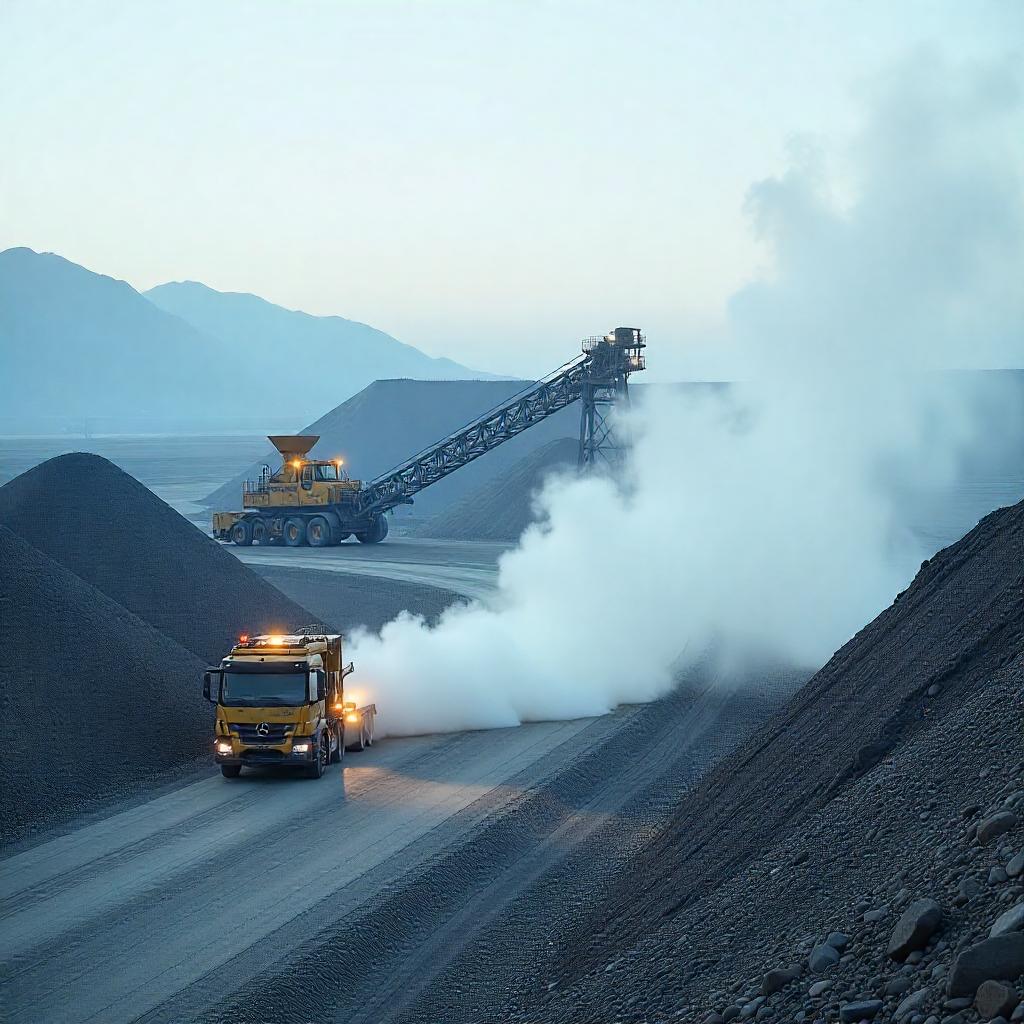
High-pressure mist cooling systems provide reliable dust control and temperature management for demanding aggregate processing environments. Engineered for crushers, conveyors, and stockpiles, our systems help you maintain compliance, reduce wear on equipment, and improve worker safety.

How Mist Cooling Technology Works in Aggregates

Mist performance depends on droplet size, placement, and air movement. Your aggregate cooling system should be designed to:

  • Intercept dust where it forms (not after it spreads)
  • Use overlapping spray coverage without soaking the product
  • Limit drift with correct nozzle angle, elevation, and wind direction planning
  • Automatically stop mist when conditions don’t require it (saving water)

Key Applications of Mist Cooling Systems

Mist Cooling Systems
Dust Suppression
•	Crushers & Screens: Suppress dust at primary and secondary crushers.
•	Conveyor Transfers: Capture airborne particles at transfer points using mist curtains.
•	Stockpiles & Loading Zones: Minimize windblown dust with perimeter fog lines.

Dust Suppression

  • Crushers & Screens: Suppress dust at primary and secondary crushers.
  • Conveyor Transfers: Capture airborne particles at transfer points using mist curtains.
  • Stockpiles & Loading Zones: Minimize windblown dust with perimeter fog lines.

Temperature Control
•	Machinery Cooling: Reduce thermal stress on critical equipment.
•	Operator Zones: Improve comfort and safety in high-heat areas through evaporative cooling.

Temperature Control

  • Machinery Cooling: Reduce thermal stress on critical equipment.
  • Operator Zones: Improve comfort and safety in high-heat areas through evaporative cooling.

Air Quality Management
•	Improve visibility.
•	Lower exposure to airborne particulates.
•	Meet regulatory limits from MSHA, OSHA, and EPA.

Air Quality Management

  • Improve visibility.
  • Lower exposure to airborne particulates.
  • Meet regulatory limits from MSHA, OSHA, and EPA.

Core Components of a Mist Cooling System for Aggregate Plants

Water Filtration & Quality

Mist nozzles operate at high pressure and require filtered water to avoid clogging and scaling. Where water contains high mineral content, additional treatment like reverse osmosis may be essential.

Nozzle Configuration

Optimal results depend on spray angle, nozzle spacing, and coverage. Mist systems should overlap zones of high dust concentration without over-wetting materials or damaging equipment.

Automation & Sensors

Integrating the mist system with temperature, humidity, or PM10 sensors enables smart operation—activating mist only when needed and conserving water.

Maintenance Best Practices

Routine inspection of nozzles, filters, and pumps ensures consistent performance. Replace worn nozzles promptly to prevent inconsistent mist patterns.

Advantages of High-Pressure Mist Systems

Dust Reduction

Up to 90% decrease in fugitive dust, improving working conditions and community relations.

Water Efficient

Uses less water than traditional sprinklers while being more effective due to droplet size optimization.

Equipment Longevity

Prevents dust buildup on sensitive parts, reducing downtime and servicing needs.

Regulatory Confidence

Facilitates compliance with dust and air quality standards, avoiding costly violations.
mist cooling system application in manufacturing units

Maintenance of Mist Cooling System for Aggregate Plants

A high-performance system stays reliable when basic maintenance is planned:

  • Inspect filters and flush lines on schedule
  • Replace worn nozzles to maintain consistent mist patterns
  • Use anti-scale strategy where water hardness is high
  • Keep a basic spares kit: nozzles, O-rings, filter elements, solenoid/service kits

Why Choose Our Industrial Mist Cooling Solution for Aggregates in Crushing & Handling Areas

Up to 90% Dust Reduction
Lower Water Usage than Sprinklers
Extended Equipment Lifespan
Regulatory Compliance Assurance
Better Relations with Local Communities

FAQs - Mist Systems for Cooling in Aggregate Units

Will mist increase moisture in aggregates?

A correctly engineered mist layout targets airborne dust, not the entire material stream. With zoning, correct nozzle direction, and controlled run-time, over-wetting can be minimized.

Does mist work in humid weather?

Mist still helps with dust knockdown, but evaporative cooling effectiveness reduces as humidity rises. That’s why designs prioritize dust interception and smart control.

What water quality is required?

Filtered water is essential. If your water is hard or high-TDS, scaling control (softening/anti-scale/RO depending on analysis) helps prevent nozzle clogging.

Where should we install mist at conveyors?

Usually at transfer points—near the dust plume formation zone—using mist curtains or lances to intercept dust before it spreads.

Can the system run automatically?

Yes. Many plants interlock mist with conveyor/crusher operation and add timers or sensors so it runs only when needed.

How do we avoid drift in windy areas?

Correct nozzle angle, placement height, zoning, and wind-aware layout reduce drift. In some yards, physical shielding at critical points also helps.

What is the best mist cooling system for aggregate plants—mobile or fixed?

Fixed zoned lines are best for continuous production areas. Mobile units can help temporary dust hotspots. Many plants use a hybrid approach.

How much water does an Aggregate plant mist cooling system consume?

Consumption varies by number of nozzles, flow rate, zoning, and automation. A site-designed system typically uses less water than wide-area spraying because it runs only in dust zones.
```html ```
For Spray Nozzles: +91 94442 75778
For Spraying Systems and
Dust suppression system: +91 86100 00128
© 2026 All Rights Reserved | Synergy Spray Systems | Powered by EKA HR Consulting Private Limted