Dust Suppression System for Bulk Material Handling Operations
Advanced Dust Suppression Solutions for Bulk Material Handling
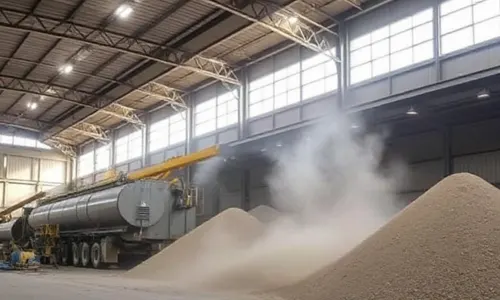
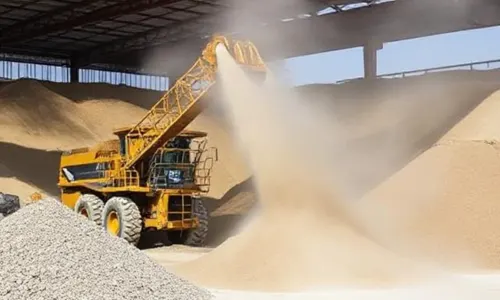
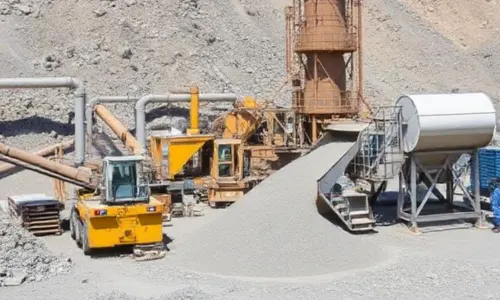
Bulk material handling processes in mines, ports, steel plants, cement plants, and power stations involve the transfer and movement of massive quantities of raw materials such as coal, iron ore, bauxite, limestone, cement clinker, and grains. These processes generate significant fugitive dust emissions during stacking, reclaiming, crushing, conveying, loading, and unloading.
Uncontrolled dust is more than a nuisance—it’s a costly hazard
Our engineered dust suppression systems combine fogging, misting, foam, and hybrid technologies to achieve up to 95% dust reduction while optimizing water efficiency and compliance.
Health Risks: Coal dust and silica can cause chronic respiratory diseases.
Regulatory Penalties: Non-compliance with OSHA, EPA, MSHA, and CPCB standards leads to hefty fines.
Fire & Explosion Hazards: Coal dust and grain dust are highly combustible.
Operational Downtime: Dust accumulation affects visibility and damages sensors.
Material Loss: Up to 3% of product value is lost as airborne dust.
Key Dust Generation Points in Bulk Material Handling
Transfer Stations
Conveyor-to-conveyor junctions
Chute discharge points
Truck and railcar loading/unloading
Stockpile & Yard Operations
Stacker/reclaimer operations
Bulldozing and grading
Wind erosion on open surfaces
Processing Areas
Crushers and screens
Grinding and milling sections
Sorting and sizing plants
Material Loading Zones
Ship loaders at ports
Wagon tipplers
Truck loading bays
Key Dust Generation Points in Bulk Material Handling
High-Pressure Smart Mist Systems
Droplet Size: 50–200 microns (ideal for dust agglomeration)
Coverage: 15–30 meters per nozzle
Automation: Material-flow-based activation
Water Savings: Up to 60% less water vs. traditional sprinklers
Ideal For: Transfer points, conveyor junctions
Dry Fog Dust Suppression
For Fine & Respirable Dust: Submicron particles <10μm
Ultra-Low Water Use: Only 0.5–2 GPM
Compressed Air-Assisted: Ensures deep dust penetration
Best For: Crushers, screens, enclosed areas
Foam Suppression Technology
For Hydrophobic Materials: Coal, sulfur, fertilizers
Expansion Ratio: 20:1 for full surface coverage
Eco-Friendly: Biodegradable foaming agents
Application: Belt conveyors, stockpiles
Hybrid Dust Control Solutions
Combination Systems: Mist + foam
Enclosures with Air Curtains: Reduces wind-blown dust
Retrofittable Kits: Fits on existing bulk material equipment
System Performance & Case Study Data
Material
Baseline Dust (mg/m³)
After Suppression
Reduction
Coal
850
35
95.9%
Iron Ore
720
28
96.1%
Cement
1,100
45
95.9%
Grain
680
22
96.8%
Technical Features & Specifications
We don’t believe in one-size-fits-all solutions. Each system is designed using:
Dust Source Analysis: Laser particle sizing and emission mapping.
CFD Airflow Simulation: Ensures maximum capture efficiency
Optimized Nozzle Placement: For high-dust generation zones
PLC & IoT Integration: Full automation with remote access
System Components Include
High-pressure pumps (70–150 bar)
Stainless steel or polymer fog nozzles
PLC/SCADA panels with IoT capability
Real-time dust monitoring sensors
Weather-based automated controls
Why Choose Our Dust Suppression System?
25+ years of expertise in dust control engineering
1,200+ installations across mines, ports, and power plants
Custom designs for every site—no generic setups
Performance Guarantee: Up to 95% dust reduction
24/7 global support for maintenance and upgrades
FAQs – Dust Suppression Systems for Bulk Material Handling
Where should dust suppression systems be installed?
Critical dust generation points include:
• Conveyor transfer stations • Crusher and screening units • Truck, railcar, and ship loading zones • Stacker/reclaimer boom ends • Stockpile areas prone to wind erosion
Do dust suppression systems comply with safety and environmental standards?
Yes. Our systems comply with:
• OSHA (29 CFR 1910.1000) • MSHA (30 CFR Part 70/71) • EPA (40 CFR Part 60) • EU ATEX explosion-proof directives • ISO 34000 dust management standards
What industries need bulk material dust suppression systems?
• Mining & Quarrying: Coal, iron ore, limestone, bauxite • Power Plants: Coal handling systems • Ports & Terminals: Ship loading/unloading • Cement & Steel Plants: Clinker handling, stockyards • Agriculture: Grain and fertilizer handling
What is the ROI of installing a dust suppression system?
Most facilities recover costs within 8–14 months, thanks to:
• Reduced regulatory fines • Lower water consumption • Less equipment maintenance • Minimal downtime • Prevention of material loss
How do I choose the right dust suppression system?
Key factors include:
• Material type (coal, ore, cement, grain) • Dust particle size (microns) • Dust generation points (transfer, loading, crushing) • Water availability • Automation requirements