Fine Mist Technology
Special fog nozzles atomize water into droplets (10–50 microns) that bind to dust particles and force them to settle.
tacker and reclaimer machines are essential in coal handling plants, power plants, steel plants, cement plants, and bulk material yards, but they are also major sources of fugitive dust.
Dust suppression systems designed for stackers and reclaimers prevent airborne dust emissions during stacking and reclaiming operations, improving worker safety, environmental compliance, and equipment life.
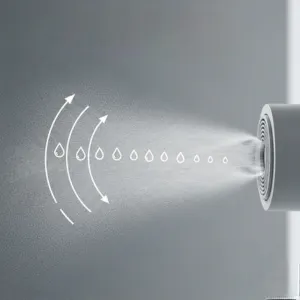
Our system uses high-pressure fogging technology and automated dust control mechanisms to capture dust at the source
Special fog nozzles atomize water into droplets (10–50 microns) that bind to dust particles and force them to settle.
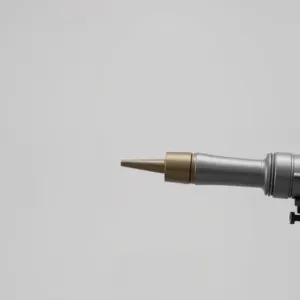
Installed at boom ends, discharge chutes, and transfer points where dust generation is highest.
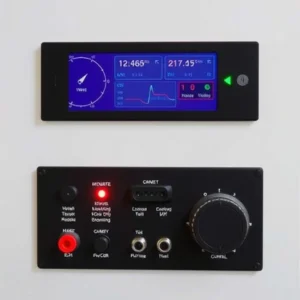
Equipped with PLC integration, wind sensors, and humidity detectors for optimized water usage.

Uses 30–50% less water than traditional sprinkler systems, reducing runoff and conserving resources.
For effective Dust Suppression at Stacker & Reclaimer, start by mapping where dust is generated:
The best Dust Suppression for Stacker Reclaimer depends on moisture tolerance and dust intensity:
Reliable Dust Control in Stacker systems need clean water:
Nozzle placement is the difference between “spraying water” and real dust control:
For consistent Dust Suppression at Stacker & Reclaimer, controls can include:
The system uses directional nozzles and wind-compensating sensors to ensure efficient dust capture.
No. The mist is ultra-fine and prevents over-wetting while binding dust particles effectively.
Yes. Our system supports PLC/SCADA integration for seamless automation.
Absolutely. Our system is designed to withstand harsh weather and marine environments.
Fine fog nozzles require proper filtration to prevent clogging and maintain consistent mist quality—filtration selection depends on water quality.
Wind is managed using directional sprays, zoning, and correct mounting at the dust source. In open yards, wind-based logic can be added where required.
Common locations include the stacker boom discharge point, chute outlet, skirt zones, and conveyor transitions where dust plumes form.
The most effective approach is source capture—spraying fine mist/fog at boom discharge, transfer chutes, and reclaiming zones to prevent dust from becoming airborne.
Send a product reference, describe your application or share what you know about an existing nozzle.
Not sure about the specifications? Start with what you know.